





Competition Rules
Last Updated on March 2, 2026
1.Intellectual Property Statement
All content within this URKL Robot Combat Competition Rulebook (hereinafter referred to as the “Rulebook”), including but not limited to text, diagrams, illustrations, rule provisions, and mechanism designs, constitutes intellectual property owned by the URKL Robot Combat Competition Organizing Committee (hereinafter referred to as the “Organizing Committee”). No entity or individual may, without the written authorization of the Organizing Committee, reproduce, disseminate, modify, excerpt, or quote any part or the entirety of this Rulebook, nor use it for commercial purposes or any other unauthorized purposes. Violators of this statement will be held legally liable by the Organizing Committee.
By participating in the URKL Robot Fighting Competition, participating teams and relevant personnel are deemed to acknowledge and comply with this Intellectual Property Statement, commit to respecting the Organizing Committee's intellectual property rights, and refrain from any acts infringing upon the intellectual property rights of this rulebook.
2.Reading Instructions
This rulebook serves as the core guiding document for the URKL Robot Combat Competition. All participating teams, operators, technicians, and relevant personnel must thoroughly read and master all contents of this manual, strictly adhering to the rules when participating in the competition.
Provisions in this rulebook are categorized as mandatory or advisory. Mandatory provisions are explicitly stated using terms such as “must,” “prohibited,” or “shall not,” and must be strictly adhered to by participants. Advisory provisions are indicated by terms like ‘recommended’ or “may” and serve as guidelines for participants' reference.
Technical parameters, mechanism designs, and procedural specifications outlined in this manual are established to ensure competition fairness, safety, and competitiveness. The organizing committee reserves the right to adjust or supplement these provisions based on actual competition circumstances. Any relevant adjustments will be announced in advance through official channels.
Should participants have questions regarding any clause in this rulebook, they must submit inquiries through the designated official channels within the specified Q&A period. The organizing committee will provide unified responses. Inquiries not submitted within the stipulated timeframe may not receive individual responses.
The organizing committee of the URKL Robot Combat Competition reserves the final right of interpretation for this rulebook. Any disputes related to this rulebook shall be resolved based on the committee's interpretation.
3.Version Numbering System
This rulebook employs a version numbering system of “Major Version Number. Minor Version Number. Revision Number,” detailed as follows:
Major Version Number (X): Increases when the rulebook undergoes significant structural adjustments, core mechanism changes, or the addition of important new sections. For example, V1.0.0 upgrades to V2.0.0.
Minor Version Number (Y): Increases when the rulebook undergoes partial clause modifications, technical parameter adjustments, or the addition of non-core chapters. The major version number remains unchanged. For example, V1.1.0 upgrades to V1.2.0.
Revision Version Number (Z): When the rulebook undergoes adjustments that do not affect the substantive content of the rules, such as proofreading, expression optimization, or error corrections, the revision version number is incremented while the major and minor version numbers remain unchanged. For example, V1.0.1 upgrades to V1.0.2.
The current version of the rulebook is: V1.0.0
4.Foreword
4.1 About the Competition
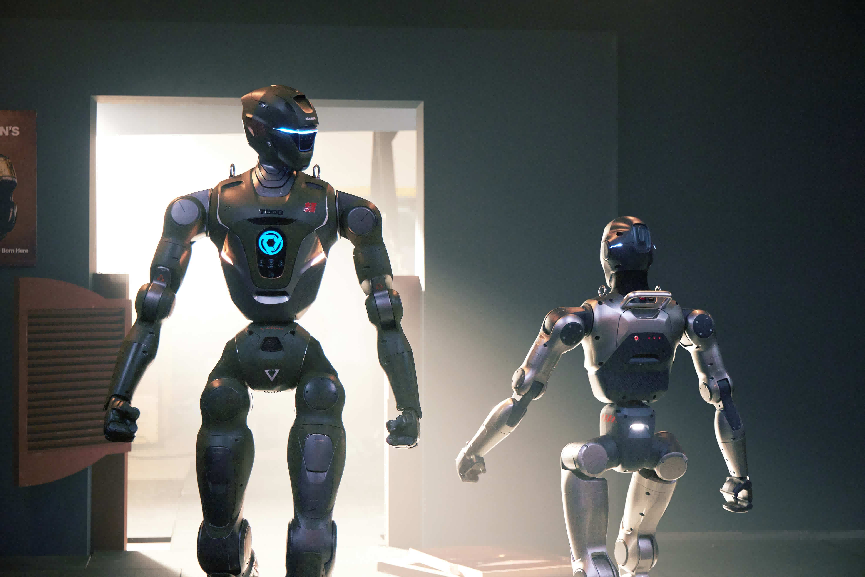
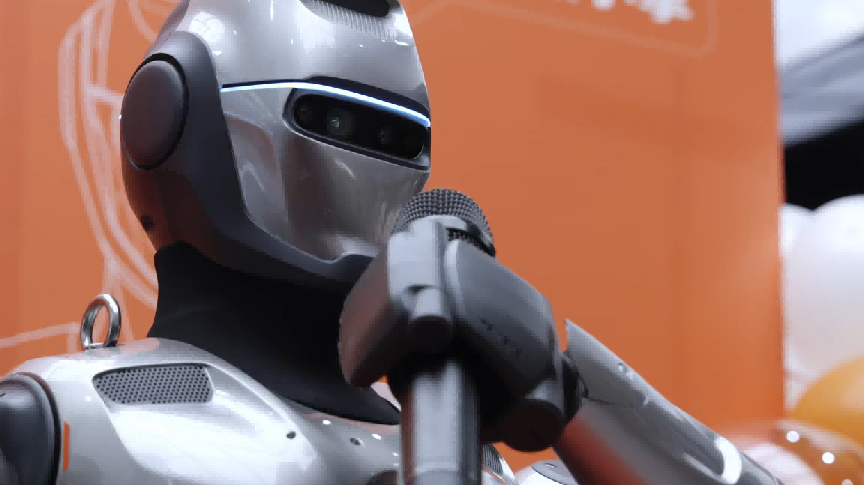
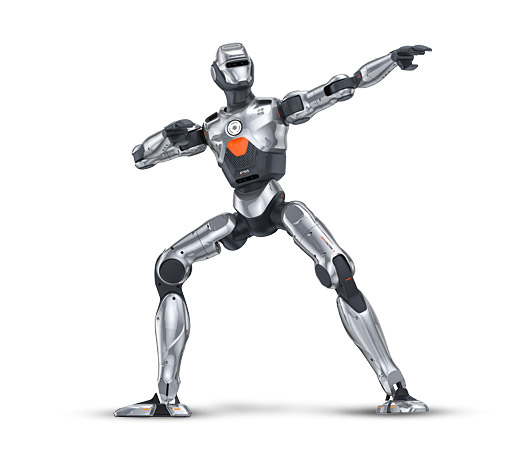
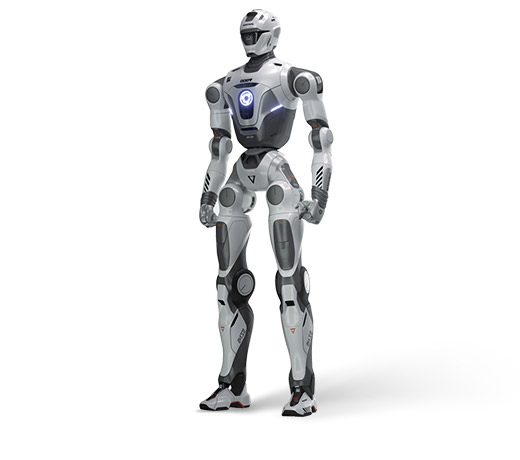
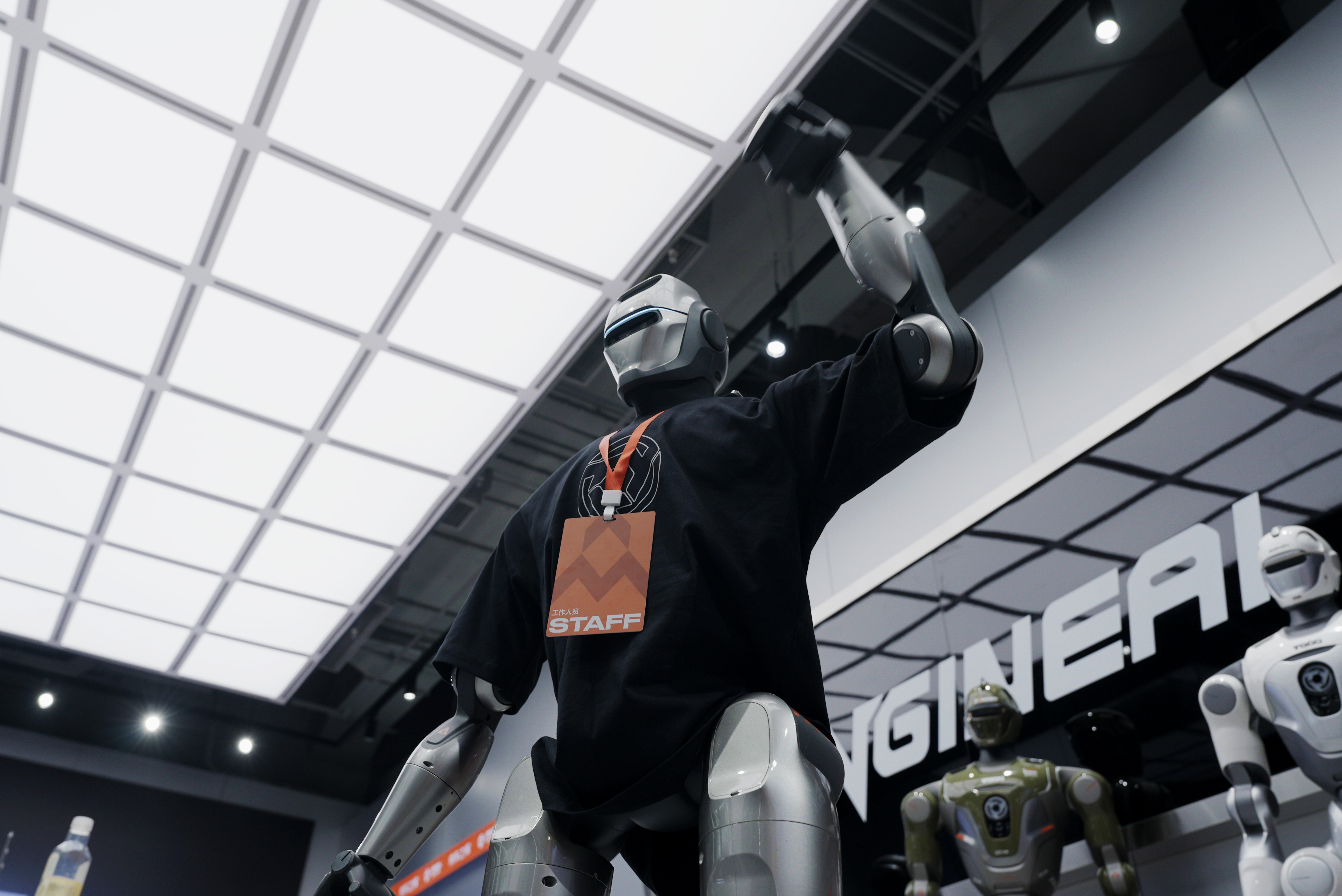
URKL (Ultimate Robot Knock-out Legend) is a premier humanoid robot competition open to universities, enterprises, and research institutions worldwide. Using the “Zhongqing” humanoid robot as the standard competition platform, it upholds the core principles of “open-source collaboration, joint technological research, fair competition, and non-violent safety.” The competition focuses on core technological capabilities of humanoid robots, including motion control, balance algorithms, perception and decision-making, power systems, and structural protection. It prohibits destructive or violent modifications, encouraging teams to enhance robot performance through self-developed protective gear, algorithmic innovation, and engineering optimization. URKL is committed to creating a technical exchange platform that combines entertainment value with scientific research significance.
The competition offers substantial rewards to winning teams, with the top prize valued at up to 10 million RMB,aiming to inspire global talent in the robotics field to engage in technological innovation and practical application.
4.2 Tournament Advancement Path
This event employs a hybrid format comprising “open qualifier screening + group round-robin stage + single-elimination knockout stage.” Following registration and open qualifier screening, 16 teams will advance to the main tournament. These 16 teams will be divided into 4 groups for an intra-group round-robin points system, with the top two points-scoring teams from each group advancing to the quarterfinals. The quarterfinalists will be paired via draw for a single-elimination bracket to determine the semifinalists. The semifinalists will compete in the semifinals, third-place playoff, and championship match to crown the champion, runner-up, and third-place finisher.
4.3 Competition Timeline
Registration for this event will open via the Zhongqing official website in March 2026. Online preliminary rounds will commence simultaneously in April; specific participation methods are detailed in the preliminary round guidelines below. From May to July, teams advancing through online preliminaries will undergo offline T800 hardware deployment testing. Final main event participants will be determined based on combined performance results. July will serve as the preparation period for the main event teams. From August to September, a group stage round-robin tournament featuring 16 teams will commence. The quarterfinals will take place from October to November. The semifinals and the global finals will be held from December to January 2027.
4.4 Competition Rewards
The event offers substantial rewards to winning teams, with cash prizes awarded to all teams reaching the top 8. As rankings advance, the champion team's prize value will reach 10 million RMB, aiming to motivate global robotics talent to engage in technological innovation and practical application.
Teams advancing to the top 16 of the competition will each receive ownership of a T800 robot.
All members of teams reaching the top 8 will gain exclusive access to a fast-track offer process for Zongqing Robotics, advancing directly to the final interview stage with priority hiring opportunities.
4.5 Regarding the Competition Rules Document
This rulebook serves as the sole official guideline for URKL Robot Combat Competitions, covering all core aspects including event organization, robot specifications, competition procedures, penalty standards, and appeal mechanisms. It constitutes the code of conduct for participating teams, operators, referees, and relevant staff.
The rulebook is formulated based on four core principles: Fairness, Impartiality, Safety, and Competition. Fairness is manifested through equal treatment of all participating teams with no differentiated application of rules. Impartiality is demonstrated by clearly defined penalty standards and procedures to ensure objective and credible competition outcomes. Safety focuses on protecting personnel, equipment, and venues, eliminating hazardous behaviors. Competition aims to fully unleash teams' technical potential and tactical creativity through scientifically designed rules.
The Organizing Committee reserves the right to revise the rule documents based on actual tournament operations (e.g., technological advancements, safety risks, participant feedback). Revised content will be publicly announced via official channels such as the website and tournament bulletins at least 7 business days in advance. Revised rules shall take effect upon expiration of the announcement period.
4.6 Regarding Rule Clarifications
To ensure teams accurately understand the rules and regulations, the organizing committee has established a dedicated channel for rule clarifications. Specific requirements are as follows:
1. Deadline for submitting clarification requests: From the date of the rulebook's release until 3 business days after the preliminary screening review concludes. No new clarification requests will be accepted after this deadline.
2. Submission Method: Teams may submit inquiries via the questionnaire below, clearly stating team name, contact person, contact information, and specific question. Questions must reference a specific chapter or clause in the rulebook; vague or ambiguous inquiries will not be accepted.
Participating teams are required to access the link below via a web browser to complete the questionnaire and submit any inquiries related to the competition:
https://dx3a2bminsq.feishu.cn/wiki/YyC2wRmZbinG61kVPfocgV0snUi
3. Q&A Response Method: The organizing committee will compile and organize all valid Q&A requests, providing consolidated responses weekly. Responses will be published through official channels, and individual teams will not receive separate replies.
4. Validity of Q&A Responses: The organizing committee's Q&A responses serve as supplementary clarifications to the rulebook and carry equal legal weight. In case of any conflict between Q&A responses and rulebook provisions, the latest revised rulebook shall prevail.
5.Key Concepts
5.1 Core Definitions
1. Participating Team: Refers to an institution (university, enterprise, research organization) that has passed registration and preliminary screening to qualify for the main competition. Each team consists of operators, technical maintenance personnel, and coaches.
2. Primary Robot: The core robot submitted for inspection by the team prior to the main competition commencement, used for official matches. It must comply with the technical specifications and safety standards outlined in the rulebook.
3. Backup Robot: A reserve unit submitted for inspection by the team. Replacement is permitted only when the primary robot suffers irreversible failure (e.g., structural fracture, complete power system failure), subject to on-site verification and approval by the referees. Each team is allowed one replacement opportunity.
4. Valid Attack: An action performed by a robot within the rules, using its legally configured attack components, that delivers a clear impact or disruptive effect to an opponent's valid target area (e.g., torso, key limbs, excluding non-core areas covered by armor).
5. Knockdown: A robot loses balance, any part other than its feet contacts the ground, and it cannot autonomously regain an upright stance within 10 seconds.
6. KO Victory: An effective attack causes the opposing robot to meet any of the following conditions: ① Remains immobile or unresponsive for over 10 seconds; ② Core structure is deformed, preventing standing or movement; ③ Protective gear is completely disabled, posing a safety risk.
7. TKO Victory: The opposing team cannot continue the match due to their own reasons (e.g., irreparable robot malfunction, voluntary withdrawal, disqualification for accumulated rule violations).
8. Irreversible Malfunction: A robot failure that, after on-site inspection by technicians, cannot be repaired within 30 minutes or, if repaired, fails to meet basic competition requirements (e.g., inability to stand, move, or operate attack systems).
5.2 Key Terms
1. Round-robin stage: A competition phase where every two teams within a group face each other twice. Wins earn 3 points, draws earn 1 point, and losses earn 0 points. Advancement is determined by points ranking.
2. Single-elimination system: A tournament format where teams are eliminated after a single loss until the final winner is determined.
3. Best-of-3 (BO3): Each match consists of up to 3 rounds, with the team winning 2 rounds first declared victorious.
4. Net Game Time: Actual combat duration within each round, excluding non-game time such as pauses, resets, and malfunction handling. Net game time per round is 5 minutes.
5. Overtime: When both teams have equal points and no KO/TKO occurs after the net match time of a round ends, an additional 2-minute period is played. The team that scores first or achieves effective suppression wins.
6. Effective Suppression: When one robot uses tactical maneuvers to restrict the opponent's movement or attack capabilities for over 3 seconds, and the referee panel determines it constitutes effective control.
7. Manual Reset: When a robot cannot autonomously stand after falling, a referee-designated official will manually reset it to an upright position within the designated area. Each team is allowed a maximum of 2 manual resets per match.
8. Tactical Timeout: A timeout requested by a team during the match to adjust tactics or communicate strategy. Each team is allowed 2 tactical timeouts per match (three rounds), with each timeout lasting no longer than 60 seconds.
9. Emergency Repair Opportunity:
A repair time requested by a team when encountering sudden robot malfunctions during the match. Each team is allowed 1 opportunity per match, with the repair lasting no longer than 5 minutes.
6.Robots and Operators
6.1 Robot Configuration Requirements
6.1.1 Basic Configuration
Each competing team must provide one primary combat robot and one backup robot. Both robots must pass the pre-competition technical review conducted by the organizing committee. Robots must be based on the “Zhongqing T800” humanoid robot platform. Key components such as the core power module and main control chip must not be replaced. Only optimizations and upgrades to protective gear, sensors, algorithms, and similar aspects are permitted.
6.1.2 Technical Specifications
1. Height: Robot height must be based on the original T800 height.
2. Weight: Robot net weight must be between 75 kg and 85 kg. Total weight including protective gear must not exceed 90 kg.
3. Power System: Use officially designated batteries. Battery life must support a single 5-minute round and overtime periods.
4. Attack Components: Only non-destructive attack components approved by the organizing committee (e.g., flexible impact blocks, pressure-sensitive attack heads) are permitted. Sharp, rigid, piercing, or cutting components are prohibited. Dangerous attack methods such as high-voltage electricity, flames, or chemical agents are strictly forbidden.
5. Protective Gear Requirements: Robots must be equipped with self-developed or officially designated protective gear covering core areas such as the torso and head. Protective materials must provide cushioning and shielding functions; hard materials like metal are prohibited for outer layers (except for core structural protection).
6. Sensors and Control System: Robots may incorporate visual, tactile, or inertial sensors. The control system may feature autonomous decision-making capabilities or execute attack actions via remote operation.
6.1.3 Equipment Replacement Rules
1. Robot Replacement: Only when the primary combat robot suffers an irreversible malfunction may a team submit a replacement request to the referees. After verification and approval by three or more referees, the team may replace it with a backup robot. The replacement time shall be counted toward the emergency repair time.
2. Battery Replacement: Battery replacement is strictly prohibited during active competition. Batteries may only be replaced during intermissions (between rounds), tactical timeouts, or emergency repair periods. All battery replacements must occur under referee supervision and must not exceed 2 minutes.
3. Component Replacement: Core components (e.g., power modules, main control chips, attack mechanisms) may not be replaced during competition. Only wear-and-tear parts (e.g., protective gear accessories, sensor housings) may be replaced, and such replacements must be completed within time permitted by the referees.
6.2 Operator Requirements
6.2.1 Eligibility Requirements
Operators must be current employees, enrolled students, or researchers affiliated with the competing team's organization. Supporting documentation must be provided and approved by the organizing committee before participation.
Operators must be at least 18 years old, in good health with no conditions that would interfere with competition, and possess proficient robot operation skills. They must pass an operational qualification test administered by the organizing committee.
Each team may assign up to 2 operators. Only 1 operator is permitted in the operation zone during the competition. Operators must wear the identification badge issued by the organizing committee throughout the event.
6.2.2 Code of Conduct
Operators must strictly adhere to the rulebook and instructions from the referees. Issuing commands for malicious attacks, dangerous maneuvers, or other violations is prohibited.
During competition, operators must remain within the designated control area. Unauthorized departure from the control area, unauthorized communication with referees or opposing team members, or disruption of competition order is prohibited.
Operators must take care of competition equipment and venue facilities. They shall not intentionally damage robots, operating equipment, or venue apparatus. Should damage occur due to improper operation, operators shall bear corresponding liability for compensation.
Operators must respect the referees' rulings. They shall not engage in disputes or conflicts with referees. If there are objections to a ruling, they must submit an appeal through their team leader following the appeal process. They shall not disrupt the competition on-site.
7.Competition Arena
7.1 Arena Overview
The competition arena is a rectangular hard-surface ring measuring 6 m × 6 m. The floor is covered with non-slip, wear-resistant polyurethane material. A 2-meter-high safety barrier surrounds the perimeter, with a 1.5-meter-wide safety passage reserved outside the barrier for referees, technical personnel, and emergency access.
The arena is divided into symmetrical blue and red competition zones by a centerline. Each zone contains key markings, such as starting positions and reset areas. Perimeter zones include standby areas, technical penalty zones, and referee observation posts. High-definition cameras, sensors, and timing equipment are installed around the arena to record gameplay, validate attacks, and track time/scores.
Field Environment Requirements: The playing surface must remain level, dry, and free of obstacles. Lighting intensity shall not fall below 500 lux with no significant glare. Temperature shall be maintained between 18°C and 25°C, with humidity not exceeding 60%.
7.2 Key Area Descriptions
7.2.1 Starting Position
Located at the center of each team's respective competition area, this is a circular zone with a diameter of 1.5 meters. The floor is marked with green anti-slip indicators. Robots must be fully positioned within the circle before the match begins. Prior to the match start, robots must remain stationary with arms naturally lowered and heads facing forward until the countdown concludes.
7.2.2 Reset Zone
This corresponds to each team's respective starting position. When manual reset is required after a robot falls, it must be moved to the reset zone and restored to an upright position. After reset, the robot must remain stationary within the reset zone for 3 seconds before resuming competition.
7.2.3 Standby Zone
Located along each side edge of the arena, one diamond-shaped standby area is designated per side. Each area has a diagonal length of 1.2 meters and is marked with orange floor decals. When a team requests a tactical timeout or emergency repair, the robot must be moved to the standby area (with referee assistance if autonomous movement is impossible). During the timeout, the robot must remain stationary. Technicians may only perform repairs within the perimeter of the standby area and are prohibited from entering the core competition zone.
8.Open Audition Mechanism
8.1 Schedule and Overall Process
1. Registration Phase (March 1–April 30)
- Complete the online registration form and submit team and contact information.
- Upon approval, the organizing committee will distribute: simulation platform access details, T800 robot model, boxing action dataset download instructions, etc.
2. Online Preliminary Round(Apr 1–30)
- Teams complete the T800 boxing motion replication task in the simulation environment using official resources.
- Submit required materials: T800 simulation demo video and technical documentation.
- Official replay and evaluation conducted in a standardized environment, with ranking based on scoring criteria.
3. Offline Preliminary Round (Dates and Cities TBD)
- Teams advancing to the offline physical screening will be selected based on online preliminary results.
- Teams must deploy their algorithms onto actual T800 robots and complete designated boxing scenario tests.
- Specific rules (safety requirements, test content, scoring criteria, etc.) will be announced separately prior to the offline preliminary round.
4. Top 16 Advancement Round
- Based on combined online and offline screening performance, 16 teams will be selected to advance to the official elimination stage.
8.2 Registration Rules
8.2.1 Registration Method
The team representative must complete the registration by submitting the online application form. Late submissions will be considered invalid.
8.2.2 Team Formation Requirements
1. Team Restrictions: Each school may register a maximum of 2 teams, while enterprises are limited to registering 1 team. Individuals may form joint teams; however, to ensure stability after registration, joint teams may be required to pay a competition deposit upon advancing to the Top 16. This deposit will be refunded post-competition provided there are no violations of the competition schedule or rules.
2. Team Composition: Each team must consist of at least 3 members. Recommended roles include Team Leader, Operator, and Software/Hardware Technician. University teams must designate an instructor. Individual joint teams are not required to have an instructor, but must ensure consistent participation of all members.
8.2.3 Participant Background Requirements
1. Recommended Majors: Priority given to robotics-related fields such as Control Engineering, Electronic Information, Mechanical Engineering, Electrical Automation, and Computer Science.
2. Skill Focus: Must possess at least one relevant skill in motion control, embedded development, mechanical design, or related fields.
3. Education Requirements: No specific degree level required; accurately report personal educational background.
8.2.4 Material Submission Requirements
Supplement the registration form with project experience materials, including:
1. Project Overview: Briefly describe the background and individual responsibilities for robotics-related competitions, robot debugging projects, etc.
2. Achievement Proof: Attach supporting materials such as demo videos, relevant papers, competition award certificates, etc. (Format unrestricted; authenticity and validity must be ensured).
Note:!!!
The organizers strictly prohibit third-party proxy play, participation in multiple teams by a single individual, and similar violations. Any such violations discovered will result in permanent disqualification of the player and their team from the competition.
8.3 Online Preliminary Round Rules
8.3.1 Task Description
Task: Implement the T800 robot's imitation and execution of movements from the “Professional Boxing Action Dataset” within a simulation environment.
8.3.2 Official Supported Materials
1. T800 URDF Model File
- Provides the T800 robot structural model (URDF format), including joint definitions, constraints, and basic documentation.
2. Professional Boxing Motion Dataset
- Motion-captured human skeletal boxing motion dataset (bvh / fbx format).
- Boxing motion dataset with completed T800 skeleton remapping (npy format).
3. Open-Source Foundation Code
- Simulation environment deployment code (MuJoCo-based simulation environment).
- Foundational training code (imitation learning training example), including data loading, training, and simple sample policies.
8.3.3 Content Provided by Contestants
1. Training and Inference Code
- Action generation and control policy implementation, including core algorithms, training scripts, and inference deployment logic.
2. Computing Resources
- Local or self-owned cloud training resources, prepared independently by participating teams.
8.3.4 Submission Requirements
1. T800 Simulation Demo Video
- Clearly demonstrate the entire process of T800 executing boxing movements within the simulation environment for visual and motion presentation evaluation.
2. Reproducible Policy Files and Configuration
- Policy files and model parameter configuration files that can be directly loaded and reproduced within the official simulation deployment code.
- Include necessary environment and execution instructions to facilitate reproduction and evaluation in a standardized environment.
8.3.5 Evaluation Criteria
1. Overall Completion and Presentation Effect
- The submitted T800 simulation demo video features clear visuals and fully demonstrates the boxing action execution process.
- The action sequence is complete and visually coherent, with distinct initiation, execution, and conclusion phases.
2. Action Reproduction and Fluidity
- When executing boxing actions in simulation, T800's overall rhythm and posture align substantially with the official T800 boxing dataset (npy).
- Action transitions are natural, with no noticeable stuttering, jitter, or other visual disruptions.
3. Simulation Reproducibility and Engineering Implementation Quality
- The policy file and model parameter configuration submitted by the team loaded and ran successfully within the official MuJoCo simulation deployment code, producing results consistent with the submitted demo video.
- The project structure is clear, with dependencies documented concisely and explicitly. Reviewers can complete environment setup and result reproduction within the specified timeframe.
8.3.6 Bonus Points
1. Full chain based on raw motion capture data
- Instead of directly using the official T800 remapped dataset (npy), perform remapping and training independently based on raw human skeleton data (bvh / fbx).
- Utilize additional optional movements from the raw human skeleton data to build a custom motion library, briefly outlining the processing workflow in the documentation.
2. Custom High-Dynamic Motion Design
- Go beyond the official dataset by independently acquiring high-dynamic boxing motion data through other means for training.
- Implement visually compelling, high-difficulty actions in simulations (e.g., complex punch combinations, rapid footwork changes). Bonus points may be awarded while maintaining stability.
3. Algorithm Robustness and Generalization
- Demonstrate robustness and generalization capabilities in simulations. Exceptional submissions may receive discretionary bonus points.
8.3.7 Preliminary Selection Results
Preliminary selection results are tentatively scheduled for announcement between April 24–30.
There is no cap on the number of qualifiers; all sufficiently outstanding candidates will advance to the offline screening phase.
Top performers in the preliminary selection may apply to travel to Shenzhen for hands-on testing with physical robots to familiarize themselves with the equipment and prepare for offline screening content.
8.4 Offline Preliminary Round Rules
Offline preliminary round rules will be released progressively through official channels based on tournament preparation progress. Participating teams are advised to closely monitor tournament announcements.
9.Scoring Mechanism
9.1.1 Valid Scoring Items
Specific scoring details are currently under review by the tournament organizing committee and will be released through official channels as soon as possible. Participating teams are advised to closely monitor tournament announcements.
9.1.2 Penalty Items
Specific penalty rules are currently under review by the organizing committee and will be released through official channels as soon as possible. Participating teams are advised to closely monitor event announcements.
9.2 Victory Determination Mechanism
9.2.1 Single-Round Victory Determination
1. KO Victory: During the match, if one robot delivers a valid attack causing the opponent to meet KO conditions, the referees immediately terminate the match and declare the attacking robot the winner of that round.
2. TKO Victory: During the match, if one robot cannot continue due to irreparable malfunction, voluntary withdrawal, or accumulation of 15 penalty points for violations, the referees declare the opponent the winner of that round.
3. Points Victory: If neither KO nor TKO occurs by the end of the round's net playing time, the winner is determined by total points scored. The team with higher points wins. If points are tied, a 2-minute overtime period is played. The team that scores first or achieves effective control during overtime wins.
9.2.2 Match Victory Determination
Each match employs a best-of-three (BO3) format. The team securing two rounds first wins the match. If both teams win one round each, a decisive third round is held, following the same rules as regular rounds.
9.3 Timeout and Reset Mechanism
9.3.1 Tactical Timeout
Each team is entitled to 2 tactical timeouts per match (three rounds). Each timeout may not exceed 60 seconds. Battery replacement is permitted during timeouts (must be completed within 2 minutes; exceeding this time limit will be treated as a fault repair timeout).
Tactical timeouts must be requested by the team captain using the designated button in the operational zone. Upon receiving the request, the referees will pause the clock. After the timeout ends, the referees will signal for play to resume.
Tactical timeouts may only be requested during net playing time and are not permitted during overtime. Consecutive tactical timeouts are not allowed; a minimum interval of 1 minute of net playing time must elapse between two timeouts.
9.3.2 Emergency Repair
Each team is entitled to one emergency repair opportunity per match, lasting no longer than 5 minutes. This may only be used to address sudden robot malfunctions (e.g., sensor failure, protective gear detachment) and may not involve replacing core components.
Repair requests must be submitted to the referees by the team representative, detailing the malfunction. Upon verification by the referees, the clock will be paused. Repairs must occur in the standby area under continuous referee supervision.
If repairs exceed the time limit, the team loses that round. If the robot remains inoperable after repairs, the team forfeits the match.
9.3.3 Manual Reset
If a robot fails to autonomously stand within 10 seconds after falling, the team may request a manual reset. Each team is allowed a maximum of 2 manual resets per match.
Manual resets are performed by designated referee personnel, who move the robot to the reset zone and restore it to an upright position. The reset process must not exceed 30 seconds and is not counted toward net match time.
After exhausting reset attempts, if the robot falls again and cannot self-stand, the referee panel declares the robot TKO-failed, ending the round.
10.Match Procedures
10.1 Pre-Match Check-In
1. Check-in Time: Teams must arrive at the designated check-in area 60 minutes before each match begins.
2. Check-in Procedures:
Personnel Check-in: verify the identity information of operators and technicians against registration records and issue identification badges.
Robot Inspection: Verify that the primary and backup robots' technical specifications, attack components, protective gear, batteries, etc., comply with regulations. Conduct functional tests (e.g., movement, attack, sensor response), weigh and measure the robots. To ensure fairness, the organizing committee will disable any detected non-compliant robot movements during inspection and publicly announce them.
3. Document Submission: Submit materials including the robot repair tool list and emergency contact information.
4. Check-in Results: Only teams passing inspection may enter the holding area. Teams failing inspection must complete corrections within 30 minutes and undergo re-inspection. Failure to pass re-inspection within the time limit will result in forfeiture of the match.
10.2 Waiting Area
1. Teams that have passed registration shall enter the designated waiting area, which is equipped with necessary rest facilities and temporary robot charging stations.
2. During the waiting period, teams may perform final debugging and charging of their robots but are prohibited from replacing core components or making unauthorized modifications. Random inspections will be conducted by the judging panel.
3. Team leaders must attend the pre-match briefing to receive final instructions from referees regarding competition procedures, precautions, and penalty standards. Signatures are required to confirm understanding.
4. Fifteen minutes before the match begins, teams must move their primary robots to designated positions on the competition field and await entry into the preparation phase.
10.3 Three-Minute Preparation Phase
1. Three minutes before the match starts, upon referee instruction, team operators must enter the operating zone. Technicians shall move robots to their respective starting positions, ensuring each robot is fully within the circle and stationary.
2. During the preparation phase, operators may perform final system checks (e.g., communication links, sensor calibration) but must not execute attack actions or move robots from starting positions. Technicians must evacuate the competition area within 1 minute, leaving no tools or items behind.
3. If a robot experiences sudden failure during the preparation phase, the team may request emergency handling. This time is not counted toward net competition time but must be completed before the preparation phase ends. Failure to complete it within this timeframe will result in the robot being deemed unable to compete in that round.
10.3.1 Official Technical Timeouts
1. During the preparation phase, if the referees detect malfunctions in venue equipment (e.g., timing systems, sensors, cameras) or environmental conditions that do not meet competition requirements, an official technical timeout will be initiated. The duration of the timeout will be determined based on the fault resolution process, not exceeding 10 minutes.
2. During an official technical timeout, teams must keep their robots and operators on standby. Teams may not adjust robots or leave the operating area without authorization. Preparation work may resume only after the referees issue the “resume preparation” command.
10.3.2 Team Technical Timeouts
1. During the preparation phase, if a team identifies non-malfunction issues with their robot (e.g., parameter fine-tuning, protective gear adjustments), they may request one technical timeout not exceeding 30 seconds.
2. Technical timeout requests must be submitted by the team leader to the referees. Adjustments may proceed upon approval. After completing adjustments, the team must signal the referees to resume the preparation phase timer.
10.4 Five-Second Countdown Phase
1. Upon completion of the three-minute preparation phase, the referees initiate a five-second countdown. The countdown display within the arena simultaneously shows the countdown numbers accompanied by an audio prompt.
2. During the countdown, robots must remain stationary at their starting positions. Operators may monitor robot status but must not issue any movement commands. If a robot moves, attacks, or commits other violations during the countdown, 2 points will be deducted; severe violations will result in forfeiture of the round.
3. Upon countdown completion, the voice prompt “Match begins” signals the start of net competition time. Robots may activate all functions, and the match enters the combat phase.
10.5 Five-Minute Match Phase
1. Each round's net match time is 5 minutes. The timing system displays remaining time in real-time, with voice prompts within the arena (e.g., “3 minutes remaining,” “1 minute remaining,” “Time's up”).
2. During the match, both robots may compete within the arena boundaries, executing legal attacks, movements, and suppression actions while strictly adhering to attack restrictions, scoring criteria, and other requirements outlined in the rulebook.
3. The judging panel determines attack validity, scoring, and penalty deductions in real-time through on-site observation, video replays, and sensor data. Judgment results are simultaneously displayed on the arena screen.
4. Should any violations occur during the match, the referees will immediately issue a warning signal. Penalties will be assessed based on the nature of the violation, with the penalty outcome and point deductions displayed on the arena screen.
10.6 End of Match
1. Conditions for ending a single round: ① End of net match time; ② Occurrence of KO/TKO; ③ Voluntary forfeiture by one team; ④ Accumulation of 15 penalty points by one team.
2. Upon match conclusion, the refereeing panel shall immediately stop the clock, collect match data (scores, deductions, violation records, etc.), conduct a summary review, and announce the round result within 5 minutes.
3. The rest period between rounds is 10 minutes. Teams may perform battery replacement, minor repairs, or protective gear adjustments on their robots. Core component replacement or illegal modifications are prohibited. The refereeing team will supervise this period.
10.7 Results Confirmation
1. After the entire match concludes, the refereeing team shall compile the results of each round, determine the final winning team, and complete the “Match Results Confirmation Form.”
2. Team leaders from both sides must sign the “Competition Results Confirmation Form.” If no objections exist, results become official upon signing. If objections arise, teams must submit an appeal request to the referees immediately, following the appeal process; refusal to sign is not permitted.
3. After results confirmation, the organizing committee will publicly announce the outcomes through official channels. The announcement period lasts 24 hours. If no valid appeals are received during this period, the results become final.
10.8 Withdrawal
1. After results confirmation, teams must remove robots, equipment, and tools from the competition area within 15 minutes. Personal belongings in the holding area must be cleared to maintain venue tidiness.
2. Upon withdrawal, return all identification tags issued by the organizing committee. Teams are liable for compensation for any damaged equipment or venue facilities according to regulations.
11.Violations and Penalties
11.1 Penalty System
11.1.1 Penalty Methods
1. Immediate Penalties: During the match, if the referees detect obvious violations (such as malicious attacks, dangerous maneuvers, or unauthorized departure from the operating area), they shall immediately issue a warning signal, impose penalties on the spot, and issue instructions for point deductions, timeouts, or forfeits.
2. Post-Match Penalties: For violations requiring verification through video replays or data review (e.g., concealed attacks, unobserved infractions), the referees will conduct investigations during round breaks or after the match concludes. Supplementary penalties will be issued, with point deductions applied to the corresponding round's score.
3. Collective Penalties: For major or disputed violations, a panel of three or more referees shall collectively deliberate and issue a final, non-appealable ruling.
11.1.2 Penalty Types
1. Warning: Issued for minor violations (e.g., first-time minor infractions, unintentional operator interference). Referees provide a verbal warning without point deduction; the incident is recorded. If a team accumulates three warnings in the same match, the warning will be upgraded to a point deduction penalty.
2. Point Deduction: For general violations (e.g., autonomous knockdown, illegal attacks, time-out violations), points are deducted according to the values specified in the rulebook. The deduction is directly subtracted from the round's score, with no upper limit on cumulative deductions.
3. Round Loss: For severe violations (e.g., malicious attacks posing safety risks, unrectified unauthorized robot modifications, failure to address registration non-compliance within the deadline), the team shall be declared the loser of that round, with the round score recorded as 0 points.
4. Disqualification: For extremely severe violations (e.g., employing dangerous attack methods, falsifying identity information, bribing referees, or maliciously damaging equipment post-match), the team shall be disqualified from the competition, forfeit all tournament rewards, and face potential legal consequences for serious offenses.
11.2 Penalty Guidelines
11.2.1 Personnel Violations
1. Identity Violations:
If an operator or technician's identity does not match the registration information and has not been pre-reported and approved by the organizing committee, the team's eligibility to compete will be revoked.
Entering competition or operational zones without proper identification or using another person's credentials: One warning issued, followed by removal from the area. Repeated violations result in forfeiture of the current round.
2. Conduct Violations:
Operators leaving the operational zone without authorization, communicating improperly with opposing team members, or interfering with referee decisions: One warning issued. Repeated violations incur a 5-point deduction. Serious offenses (e.g., confronting referees, verbally abusing opponents) result in disqualification.
Technical personnel entering the competition area without permission or disrupting the competition process will receive a warning and be ordered to leave. Causing a competition interruption will result in a 3-point deduction. Damage to equipment will incur liability for compensation and disqualification.
Team members engaging in illegal activities such as excessive drinking, gambling, or fighting within the competition venue or during the event will result in immediate disqualification of the team and referral to public security authorities.
11.2.2 Robot Violations
1. Configuration Violations:
Robots failing technical parameter checks (e.g., exceeding height/weight limits, non-compliant battery voltage) and failing to rectify within the specified timeframe shall be ruled to have lost the round. If still non-compliant after rectification, disqualification shall be imposed.
Unauthorized replacement of core robot components (e.g., power modules, main control chips) or use of prohibited attack components/methods will result in disqualification.
Protective gear failing to cover core areas or using non-compliant materials will receive one warning with 30 minutes to rectify; failure to rectify or non-compliance will result in a loss for that round.
2. Functional Violations:
Robots equipped with hazardous devices (e.g., high-voltage electricity, flames, chemical agents) shall be immediately disqualified, and the team held accountable.
Cheating in communication or control systems (e.g., remote attack control, sensor data tampering) shall result in disqualification and permanent ban from URKL series competitions.
Robots with batteries lacking safety protection or posing leakage risks must cease use and replace batteries with compliant ones; failure to replace results in forfeiture of the round.
11.2.3 Interaction Violations
1. Attack Violations:
Striking an opponent's robot in critical areas (head, power system, battery) incurs a 10-point deduction per incident; causing damage or safety risks results in forfeiture of the round; severe cases lead to disqualification.
Using sharp or hard components for attacks, or employing destructive methods like ramming or crushing: 5 points deducted per occurrence. If the opposing robot suffers structural deformation or functional failure, the round is forfeited.
Intentionally attacking an opposing robot that is downed, paused, or in the technical penalty zone: 8 points deducted per occurrence. In severe cases, the round is forfeited.
2. Arena Violations:
Unauthorized crossing of arena boundaries (non-tactical movement) results in one warning; subsequent violations incur a 2-point deduction per occurrence; persistent boundary violations disrupting the match result in forfeiture of the round.
Intentional damage to arena facilities (e.g., guardrails, sensors, display screens) incurs a 5-point deduction per occurrence and liability for compensation; severe cases result in disqualification.
3. Tactical Violations:
Abuse of tactical timeouts or emergency repair opportunities (e.g., requesting timeouts without valid reason, falsely reporting malfunctions): one warning. Subsequent violations: 3 points deducted per occurrence. Three cumulative violations: loss of the round.
Intentional time delay during competition (e.g., robot remains stationary, refuses to attack or defend): one warning. Persistent delay exceeding 1 minute: 5 points deducted. Exceeding 2 minutes: forfeit the round.
11.3 Serious Violations
The following actions constitute serious violations. Upon verification, the team will be immediately disqualified from the competition, all competition rewards will be confiscated, and severe cases may result in legal liability:
1. Equipping robots with hazardous devices (such as explosives, toxic or harmful chemical agents, high-voltage electric shock equipment, etc.) that pose safety threats to personnel or equipment.
2. Maliciously attacking opposing robots or personnel, causing severe damage to robots or injury to personnel.
3. Forging identity information or competition materials (e.g., qualification certificates, robot inspection reports) to engage in cheating during the competition.
4. Bribing or threatening referees or organizing committee staff to interfere with the fairness of the competition.
5. Maliciously damaging competition equipment or venue facilities after the event, or engaging in conflicts, fights, or brawls with other teams.
6. Violating competition safety regulations, causing accidents such as fires or electric shocks.
7. Other acts deemed by the organizing committee as serious violations of competition rules and fair play principles.
12.Abnormal Situations
12.1 Definition of Abnormal Situations
Abnormal situations refer to unexpected events during the competition, not caused by participating teams, that disrupt normal proceedings. These include but are not limited to:
1. Venue equipment failure: Malfunction or breakdown of timing systems, scoring systems, sensors, cameras, or other equipment.
2. Environmental Anomalies: Sudden power outages, water supply interruptions, earthquakes, torrential rains, or other natural disasters/force majeure events.
3. Robot Malfunctions: Sudden robot failures caused by venue equipment, environmental factors, or non-human damage (e.g., sensor interference, power system abnormalities).
4. Personnel Emergencies: Sudden illness or injury of operators, referees, or staff.
12.2 Abnormal Situation Handling Procedure
1. Emergency Response: Upon an abnormal situation, the refereeing team shall immediately halt the competition and initiate emergency procedures to ensure personnel safety, equipment protection, and on-site order stability.
2. Situation Verification: Within 5 minutes, the refereeing team shall verify the cause, scope of impact, and severity of the abnormal situation. If necessary, contact relevant departments such as the organizing committee's technical or medical teams for assistance.
3. Response Measures:
Venue Equipment Malfunction: If the malfunction can be repaired within 30 minutes, the competition resumes after repair. Previously completed segments remain valid, and remaining time continues to be counted. If repair exceeds 30 minutes, the organizing committee will schedule a rematch at a later date to be announced.
Environmental Anomalies: If force majeure prevents continuation, the organizing committee will suspend the competition and resume once conditions are restored. If restoration is impossible, the referees will determine the outcome or schedule a replay based on progress and accumulated points.
Robot Malfunctions: For non-human-induced robot failures, teams may request emergency repairs, with repair time excluded from net competition time. If irreparable, teams may substitute a backup robot (subject to rule compliance). If no backup robot is available or the backup robot is also inoperable, the team shall be declared the loser of that round, though this shall not affect their eligibility for subsequent rounds.
Personnel Emergencies: Immediate medical assistance shall be arranged. If an operator cannot continue, they may be replaced by a backup operator (previously registered and approved). If no substitute operator is available, the team forfeits that round. For unexpected situations involving referees or staff, the organizing committee will promptly reassign personnel; any resulting competition suspension time shall not be counted toward net competition time.
4. Results Announcement: After resolving any abnormal situations, the refereeing team will announce the outcomes and subsequent arrangements through official channels. Participating teams must comply with the organizing committee's arrangements.
13.Appeals
13.1 Appeal Process
1. Appeal Submission: Teams disputing the adjudication panel's rulings or match results must submit a written appeal application to the adjudication panel via their team representative within 10 minutes after the round's results are announced. Appeals submitted after this deadline will not be accepted.
2. Appeal Acceptance: Within 5 minutes of receiving an appeal, the Referee Panel verifies the completeness of submitted materials (e.g., grounds for appeal, supporting evidence). Appeals meeting requirements are accepted. Teams with incomplete materials are given 3 minutes to supplement them; failure to do so within this timeframe constitutes withdrawal of the appeal.
3. Appeal Review: The organizing committee will establish an appeal review panel (comprising 3 or more referees not involved in the match) to conduct a comprehensive review within 30 minutes of accepting the appeal. This review will incorporate appeal materials, match video replays, referee records, sensor data, and other relevant evidence.
4. Result Notification: Within 15 minutes of completing the review, the panel will decide whether to uphold or dismiss the appeal. The decision will be communicated in writing to both the appealing team and the opposing team, and publicly displayed at the competition venue.
5. Final Ruling: If the appeal is upheld, the match result shall be adjusted or the relevant round replayed based on the review outcome. If the appeal is dismissed, the original ruling shall stand. This ruling is final, and teams may not file further appeals.
13.2 Appeal Materials
When submitting an appeal application, teams must provide the following materials. Incomplete or non-compliant submissions will render the appeal invalid:
1. URKL Robot Combat Competition Appeal Application Form (signed by the team representative).
2. Statement of Appeal Grounds: A detailed explanation of the factual and rule-based basis for the appeal, clearly identifying the disputed penalty or match segment, not exceeding 500 words.
3. Supporting evidence: May include but is not limited to competition video clips (with timestamps marking the disputed segment), photographs, sensor data screenshots, copies of referee records, etc. All evidence must be authentic and valid; forgery or tampering is prohibited.
4. Other relevant materials: Such as robot inspection reports, technical parameter certifications, etc., to be supplemented based on the appeal content.
13.3 Appeal Outcomes
1. Appeal Upheld:
If the disputed call constitutes a minor error that does not affect the match outcome, the relevant scores or penalty records shall be adjusted while maintaining the original match result.
If the disputed call affects the outcome of a round, the original round result shall be overturned, and the round shall be replayed; or the round outcome and scores may be directly adjusted based on the review findings.
If the dispute involves the entire match outcome, a decision shall be made based on the review findings to either replay the match or adjust the final winning team.
2. Appeal Rejection:
Appeals shall be rejected and original rulings upheld if grounds are unfounded, evidence is insufficient or fabricated.
Appeals failing to meet submission deadlines, material requirements, or other formal criteria shall be rejected without affecting original rulings.
3. Appeal Fees:
When a team submits an appeal, a temporary deduction of RMB 5,000 from the team's tournament deposit will be recorded. If the appeal is upheld, the deposit will be fully refunded. If the appeal is dismissed, the appeal deposit will not be refunded and will be used for tournament organization and equipment maintenance.
14.Disclaimer
This English translation is for reference only. In case of any discrepancies, the original version shall prevail. Final interpretation rights are reserved by EngineAI.
